


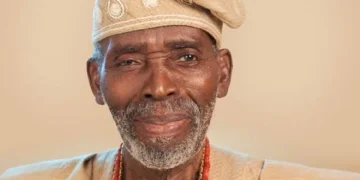

By Segun Showunmi
In the debate about nation-building, we often reach for the familiar levers of security, infrastructure, fiscal discipline, and political reform. Yet we consistently underweight one of the most powerful assets any society possesses: women. From a Christian standpoint, that oversight is not just inefficient it is theologically inconsistent.
At the heart of the Christian worldview lies the doctrine of the Imago Dei the belief that both men and women are created in the image of God. This is not ornamental theology. It is a governance principle. If dignity, agency, and responsibility are equally distributed at creation, then exclusion from public life is a distortion, not a doctrine.
The early Christian witness reinforces this. The writings of Paul the Apostle make clear that access to purpose and inheritance is not mediated by gender. In practical terms, that translates into a civic ethic where women are not confined to the margins but are central to shaping the moral, economic, and political architecture of society.
Scripture is not silent on this matter. It offers working models. Deborah led with judicial authority in a time of national crisis. Esther navigated power with precision to avert catastrophe. These are not symbolic figures; they are case studies in leadership under pressure. If anything, they expose the poverty of arguments that still seek to limit women to private or purely supportive roles.
The implications for nation-building are immediate and concrete.
First, women are foundational to moral formation. In homes, schools, and communities, they transmit values that no constitution can enforce but every nation depends on discipline, integrity, empathy, and a sense of justice. A country that sidelines women weakens its own ethical spine.
Second, women are economic actors, not dependents. The archetype of the industrious woman in Proverbs is closer to a modern entrepreneur than a passive participant. Across markets from agriculture to trade to services women drive productivity, stabilize households, and expand the tax base. Ignoring this is not conservatism; it is economic malpractice.
Third, women are indispensable to peacebuilding and governance. In fragile societies, they often carry the burden of mediation, community cohesion, and post-conflict recovery. Yet they remain underrepresented in formal decision-making structures where these same skills are desperately needed. That gap is not just unjust; it is strategically unsound.
Of course, there are tensions within Christian discourse. The long-running debate between complementarian and egalitarian interpretations continues to shape institutional behavior. But too often, what is presented as “biblical limitation” is, on closer inspection, cultural inertia wearing religious language. Serious nations must learn to distinguish between the two.
There is also a subtler risk the tendency to celebrate women’s “soft” contributions while excluding them from the hard edges of power: security policy, fiscal management, and executive leadership. This is a convenient compromise, but it leaves half the nation’s capacity underutilized in the very domains that determine national direction.
If we are honest, the issue before us is not theological uncertainty; it is political will.
A Christian-informed approach to nation-building would do three things. It would affirm women’s equal stake in the national project, open pathways for their participation at every level of decision-making, and invest deliberately in their education and economic empowerment. Not as a concession to modern trends, but as a return to first principles.
The countries that will outpace others in the coming decades will not be those that merely manage resources, but those that mobilize their full human capital. Faith, properly understood, is not an obstacle to that goal it is a catalyst.
The real question, then, is straightforward: can a nation afford to build with only half its strength?
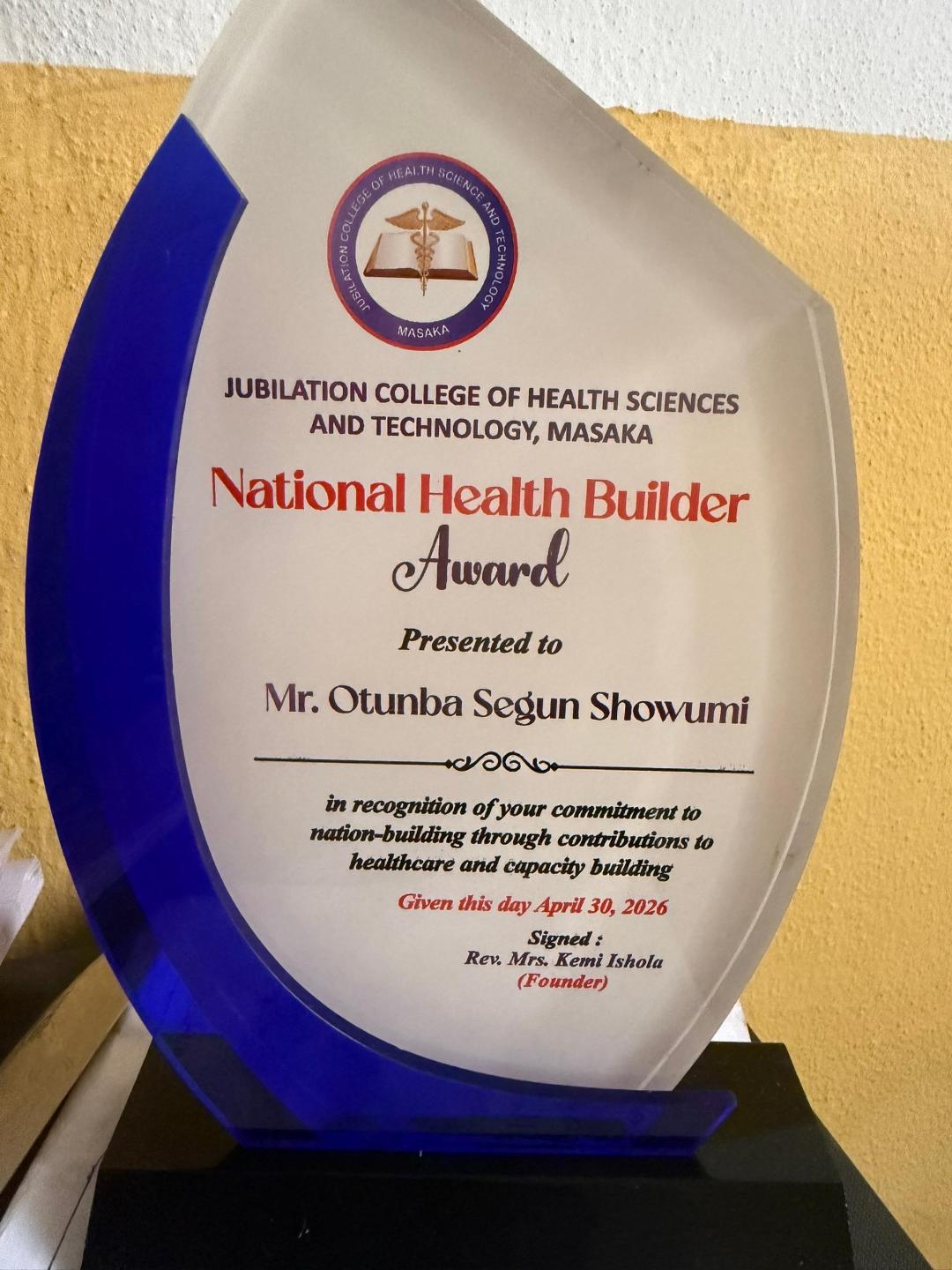
Otunba Segun Showunmi is convener of The Alternative
FOOTNOTE: You want to share story with us? You want to advertise with us? You need publicity for product, or service, or event? Contact us on WhatsApp +2348073463653 or email penpushing@yahoo.com