








By Professor Ojo Emmanuel Ademola
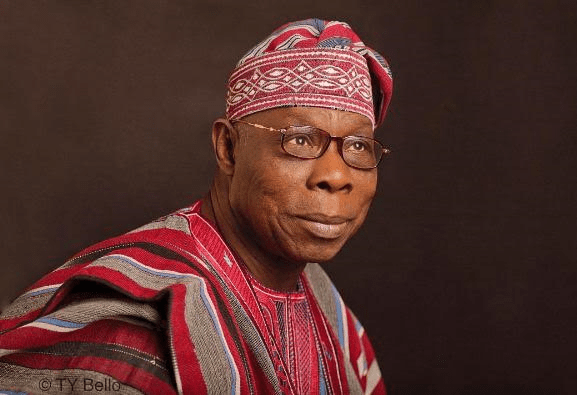
Former President Olusegun Obasanjo’s recent appearance on Isbae U’s popular digital programme, “Curiosity Made Me Ask”, provides a leadership lesson that extends far beyond entertainment.
The episode attracted widespread attention because many Nigerians did not expect a former Head of State and elder statesman to appear on a platform known for youthful humour, unconventional interviews, and digital culture.
Beyond the laughter and viral moments lies an important lesson about curiosity, leadership, adaptability, and relevance in the Digital Age.
Great leaders understand that curiosity is not merely a personal trait; it is a strategic asset. It enables individuals, organisations, and nations to grow, innovate, and remain relevant in a rapidly changing world. The most effective leaders never stop learning, no matter how experienced, accomplished, or influential they become.
One of the primary ways leaders foster curiosity in teams is by creating an environment where questions are encouraged. Many organisations struggle because employees are taught to execute instructions without exploring alternatives.
Curious leaders take a different approach. They ask questions such as: “Why are we doing it this way?” “Is there a better solution?” “What can we learn from others?” By encouraging inquiry, they transform workplaces into centres of learning and innovation.
Leaders also foster curiosity by embracing diverse viewpoints. Teams become more creative when members feel free to express different opinions. Progress often begins where conventional thinking ends. Curious leaders understand that disagreement does not necessarily indicate disloyalty; rather, it can serve as a pathway to improvement.
Another critical leadership practice is learning from younger generations. Many leaders mistakenly believe that age alone guarantees wisdom. While experience is valuable, wisdom also involves recognising that learning can come from unexpected places. Technology, digital culture, and emerging trends are often driven by younger generations. Leaders who ignore these developments risk becoming disconnected from reality.
This is where Obasanjo’s appearance on “Curiosity Made Me Ask” becomes highly instructive. By agreeing to appear on a platform dominated by youth culture and digital audiences, he demonstrated a willingness to engage with a generation whose communication style differs significantly from that of his own era. Throughout the interview, he participated in the humour, engaged the host’s unconventional approach, and interacted with issues relevant to contemporary audiences.
Whether intentional or not, the appearance communicated an important message: effective leaders do not isolate themselves from emerging generations; they engage with them.
Many retired leaders limit their interactions to formal conferences, policy discussions, and elite gatherings. However, society has changed. Today’s conversations increasingly occur on digital platforms, podcasts, social media channels, and online communities.
Leaders who wish to remain influential must understand where people are gathering, learning, and exchanging ideas. Obasanjo’s participation in a programme hosted by a digital content creator illustrates the importance of meeting people where they are.
There are several important lessons Nigerians can learn from this development.
First, we must embrace lifelong learning. One of the greatest threats to personal growth is the belief that learning ends with formal education. In reality, education should continue throughout life. The Digital Age rewards those who remain intellectually flexible and continuously acquire new knowledge. Regardless of age, profession, or status, every individual should cultivate the habit of learning.
Second, Nigeria must bridge the gap between generations. One of the challenges facing the nation is the growing disconnect between older and younger citizens. The youth often feel misunderstood, while many elders struggle to understand contemporary trends. Yet national progress requires dialogue, not division. Obasanjo’s appearance on a youth-oriented platform demonstrates the value of intergenerational engagement.
Third, leaders must remain accessible. In previous decades, public engagement occurred mainly through newspapers, radio, and television. Today, communication has become decentralised. Citizens consume information through podcasts, YouTube channels, social media platforms, and digital communities. Leaders who refuse to embrace these realities risk losing relevance. Accessibility is now an essential component of effective leadership.
Fourth, curiosity promotes relevance. One reason certain leaders remain influential long after leaving office is their willingness to remain engaged with changing realities. Curious leaders continue to observe, learn, adapt, and contribute. Their influence endures because they evolve with the times rather than becoming trapped in the past.
Perhaps the greatest lesson lies in the programme’s title itself: “Curiosity Made Me Ask”. That simple phrase captures a profound truth about leadership and national development. Every breakthrough begins with a question. Every innovation begins with a question. Every reform begins with a question.
Nations progress when citizens ask: Why are some countries advancing faster? How can governance be improved? How can technology create opportunities? How can education become more effective? How can communities become safer and more prosperous?
Similarly, organisations excel when employees ask: Can this process be improved? Can this service be delivered better? Can this technology solve our challenge? Can we learn from other industries?
#These questions emerge from curiosity.
The future belongs not to those who believe they know everything but to those who are constantly willing to learn something new. In the Digital Age, curiosity has become one of the most important leadership competencies. It drives innovation, adaptability, resilience, and growth.
Former President Obasanjo’s appearance on “Curiosity Made Me Ask” may be remembered as a viral media event, but it also offers a deeper lesson. It demonstrates the value of remaining open to new platforms, new conversations, and new generations.
For Nigerian leaders, professionals, educators, entrepreneurs, and citizens alike, the message is clear: curiosity is not a sign of ignorance. It is a sign of wisdom. People who remain curious continue to learn, and those who continue to learn remain relevant.
In an age of unprecedented change, curiosity is no longer optional; it is essential for leadership, innovation, and national transformation.
#DigitalLens
#TechEMAvision
Prof Ojo Emmanuel Ademola is a columnist with Penpushing Media
FOOTNOTE: You want to share story with us? You want to advertise with us? You need publicity for product, or service, or event? Contact us on WhatsApp +2348073463653 or email penpushing@yahoo.com